

Commercial reading
We understand the opportunity, the market and the signals that may guide an international search.

About
TRADENEX connects commercial insight, legal and customs requirements, and logistics so companies can make sense of decisions that often depend on one another.
Our approach
TRADENEX was created to help Colombian companies organize foreign trade decisions before moving forward with an international operation.
We understand the opportunity, the market and the signals that may guide an international search.
We review requirements, documents and conditions that should be clear before committing resources.
We organize stakeholders, timing and responsibilities so the operation has a clearer route.
Origin
TRADENEX was born from a simple idea: an international operation should not depend on isolated readings. Many companies identify a commercial opportunity, but then legal, customs, foreign exchange, tax, logistics and operational questions appear without always being connected to each other.
That is why we bring together three work fronts: commercial intelligence, legal and customs structure, and logistics coordination. The goal is to help each decision have better context before committing resources, timing or responsibilities.

Interdisciplinary team
Each member contributes a different reading of foreign trade. The difference is that those readings are organized around the same case, not as separate efforts.

Commercial intelligence and B2B prospecting
Focuses the search for markets, companies, contacts and commercial signals to turn an opportunity into a clearer prospecting route.
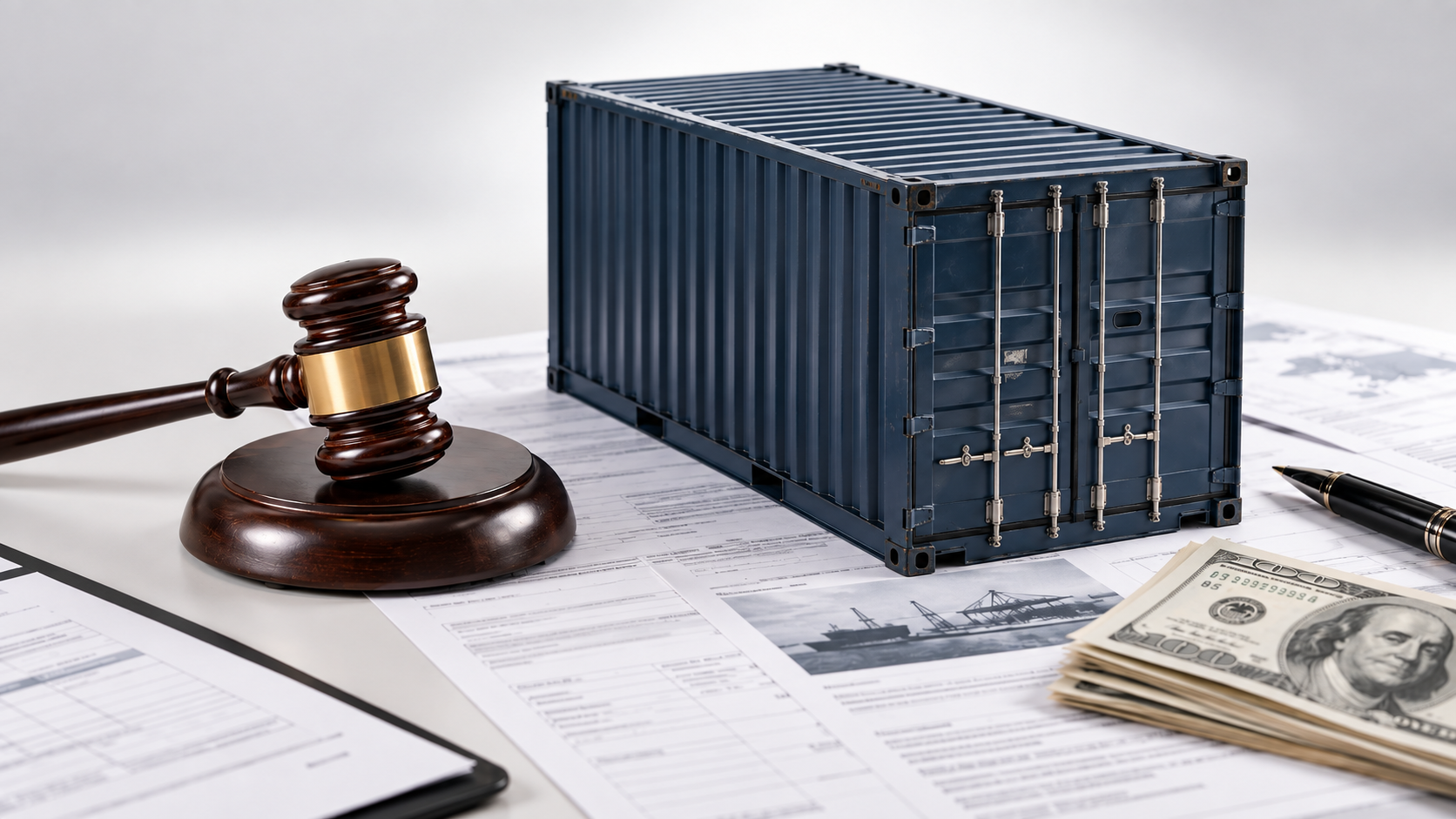
Legal, customs, foreign exchange and tax structure
Contributes legal, documentary, customs, foreign exchange and tax reading to identify requirements, conditions and risks before committing an operation.
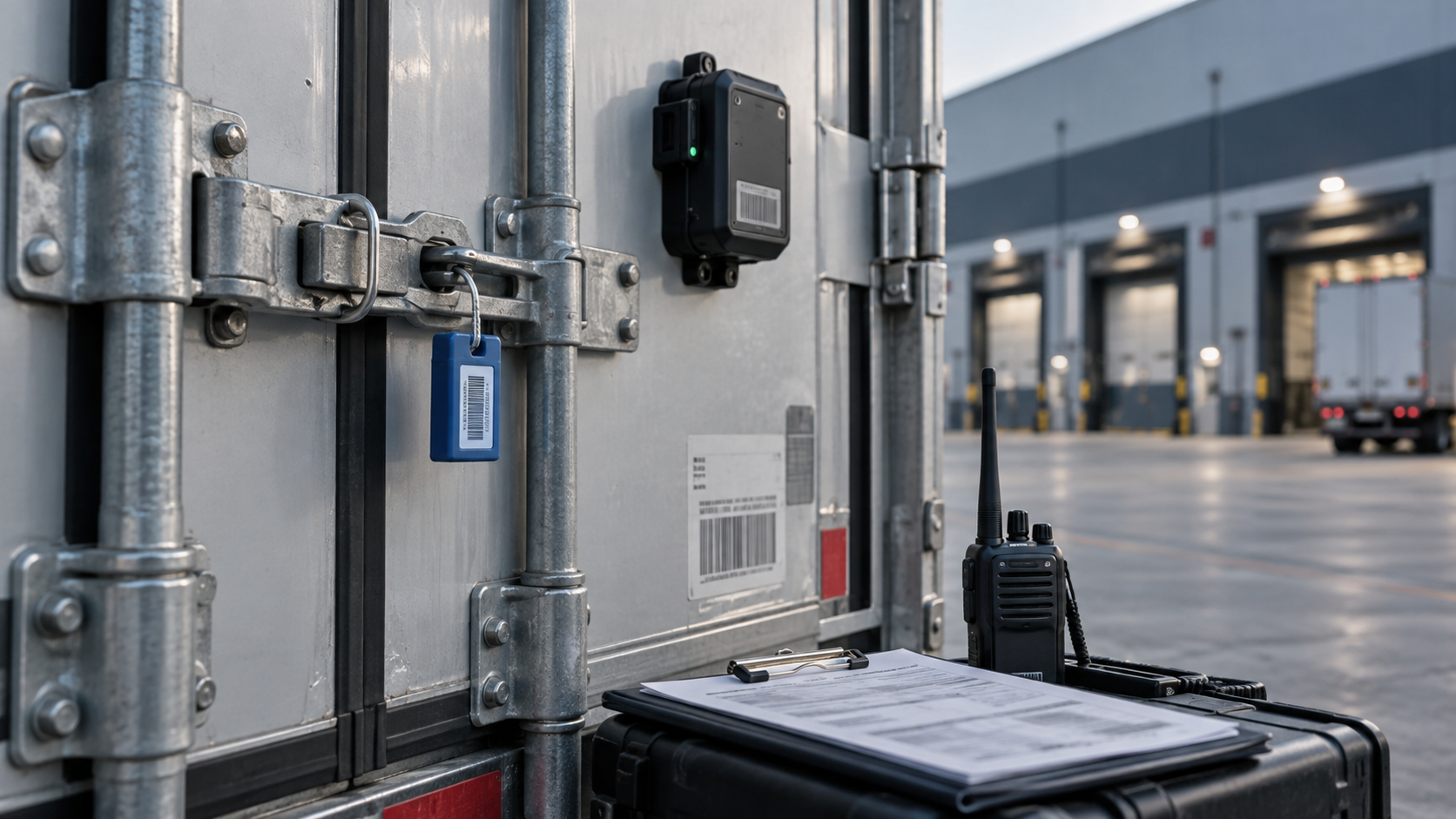
Logistics and operational coordination
Organizes stakeholders, routes, documents, timing and responsibilities so the operation can be executed with better coordination.
How we work
Each case is organized around the real questions of the operation: market, requirements, documents, stakeholders, timing and decisions.
Identify the opportunity, the commercial context and the questions that need to be resolved.
Organize requirements, documents, conditions and responsibilities before moving forward.
Follow the work route according to the scope defined for each case.
Next step
In an initial consultation, we review what needs to be organized and what route may make more sense for the company.
Clarity first. Operation second.